
The Most Useful Photo in Your Library Might Not Be Your Favorite One
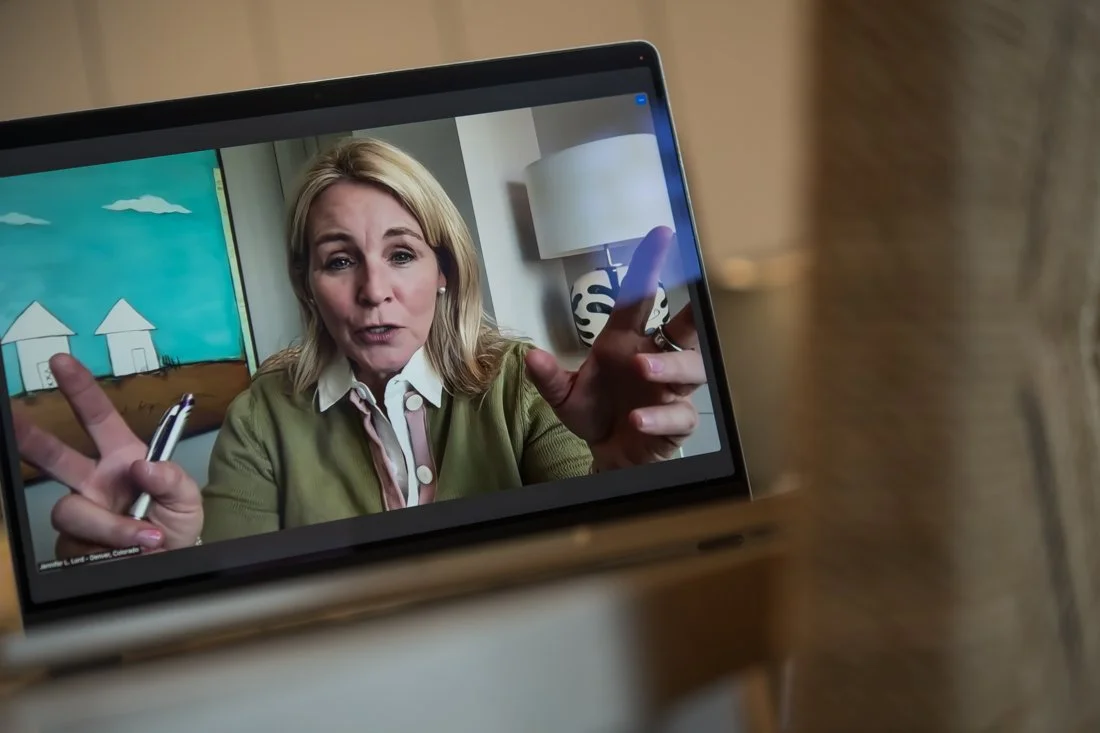
On a recent post-session strategy call, I walked a client through the photos we created together so she could understand what she actually had in her image library.
Not just which photos looked good. Not just which ones she liked.
But which photos had value, where they could be used, and what they helped prove about her expertise and how she talks about it online.
And, like most experts, she naturally gravitated toward the headshots and portraits first.
Of course.
That’s where most people start because those are the images people are familiar with. They’re easy to react to and judge.
You look at them and immediately know whether your smile feels natural, your expression and body language feel right, your clothes look good, your hair is cooperating, and whether or not you look like the version of yourself you want the world to see.
All valid considerations, no doubt about it.
Headshots matter. Portraits matter. When someone lands on your website, LinkedIn profile, speaker kit, media page, or podcast guest profile, those photos are often doing the first round of visual heavy lifting. They help people subconsciously determine whether they want to get to know you better or not.
But during this call, the more valuable conversation started when we moved beyond the core assets because the headshots and portraits weren’t the only assets in the library. There were also photos that recreated the work.
And that is where a lot of experts completely miss the point.
These are the images most people sleep on because they assume they’re nice-to-haves. They see the portraits as the “real” photos and the working images as extra. Maybe they’re useful for social posts, but basically, they’re the cherry on top.
And that couldn’t be further from the truth.
Those recreated visual evidence photos often do more to build credibility than another polished portrait.
Why?
Because they show the work before the work and the work people actually hire you to do.
The work before the work is the stuff nobody sees unless you intentionally show it.
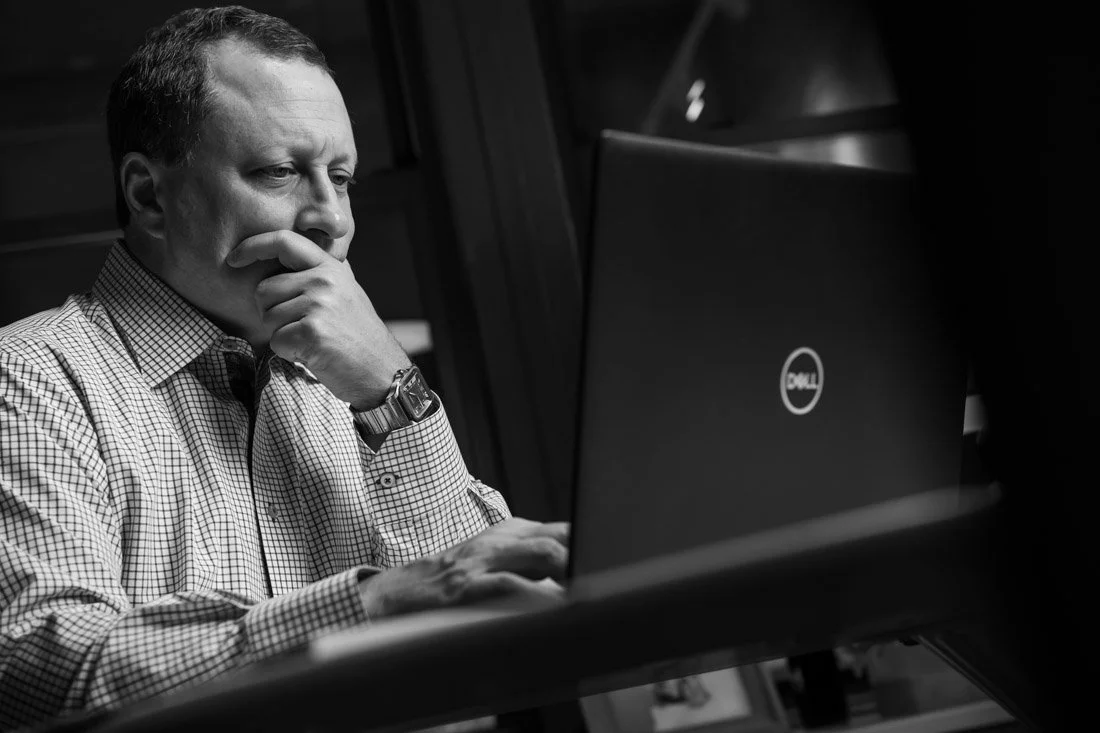
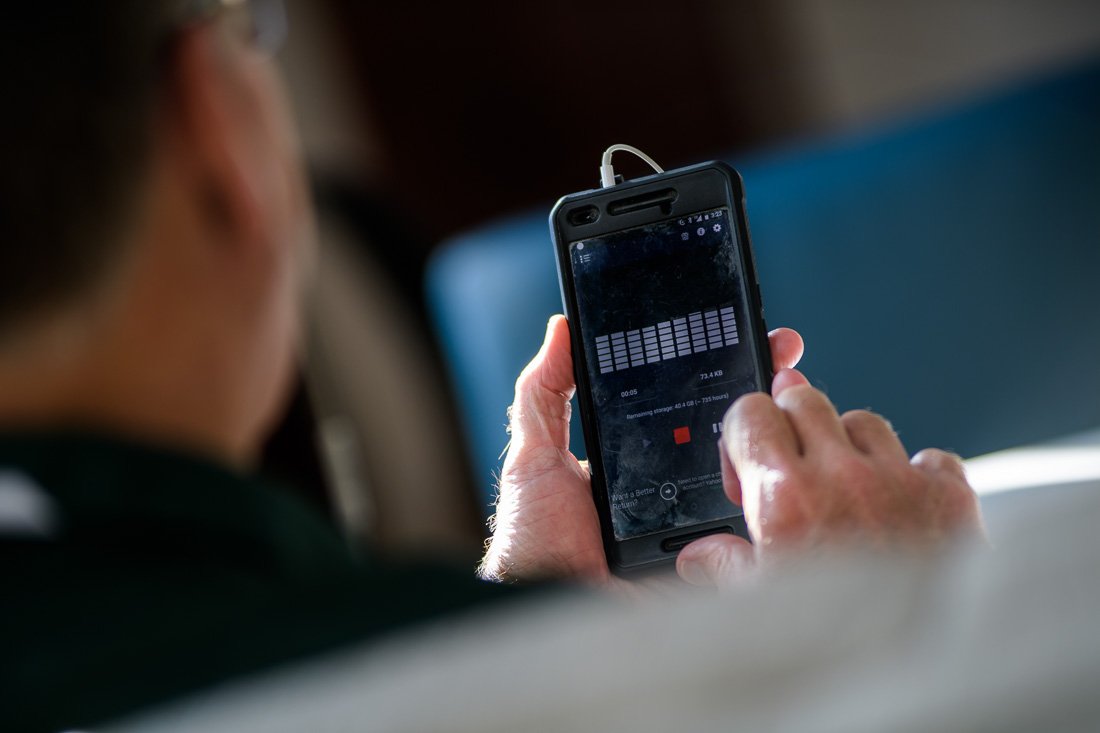
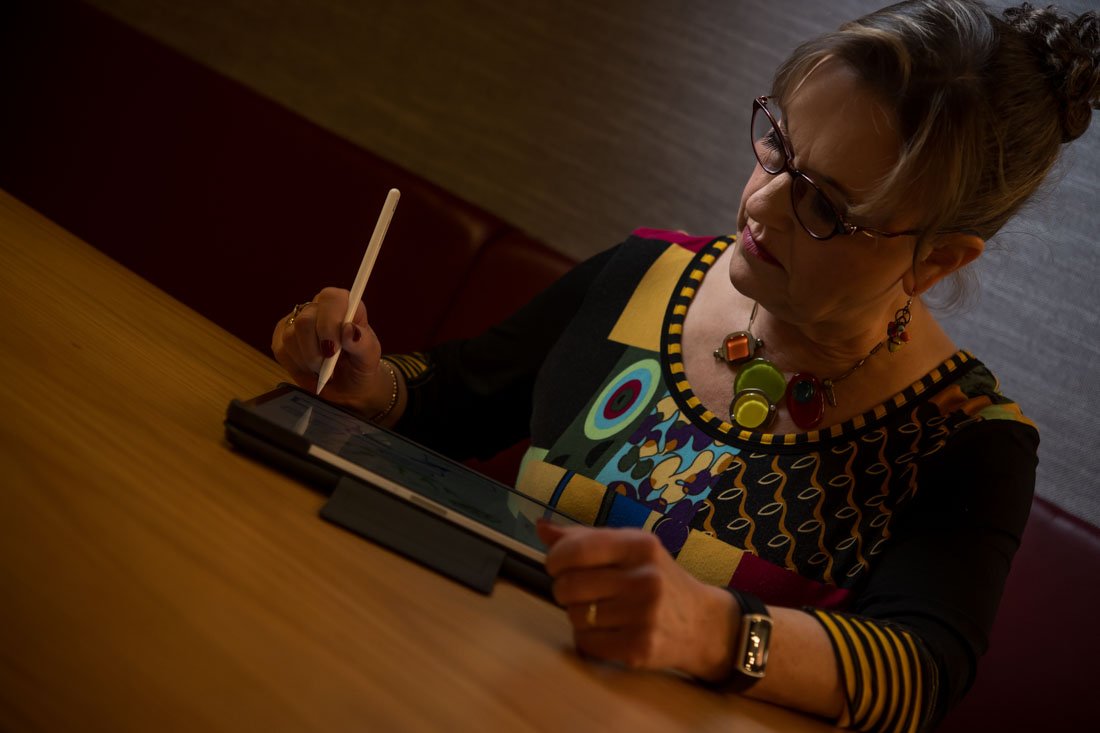

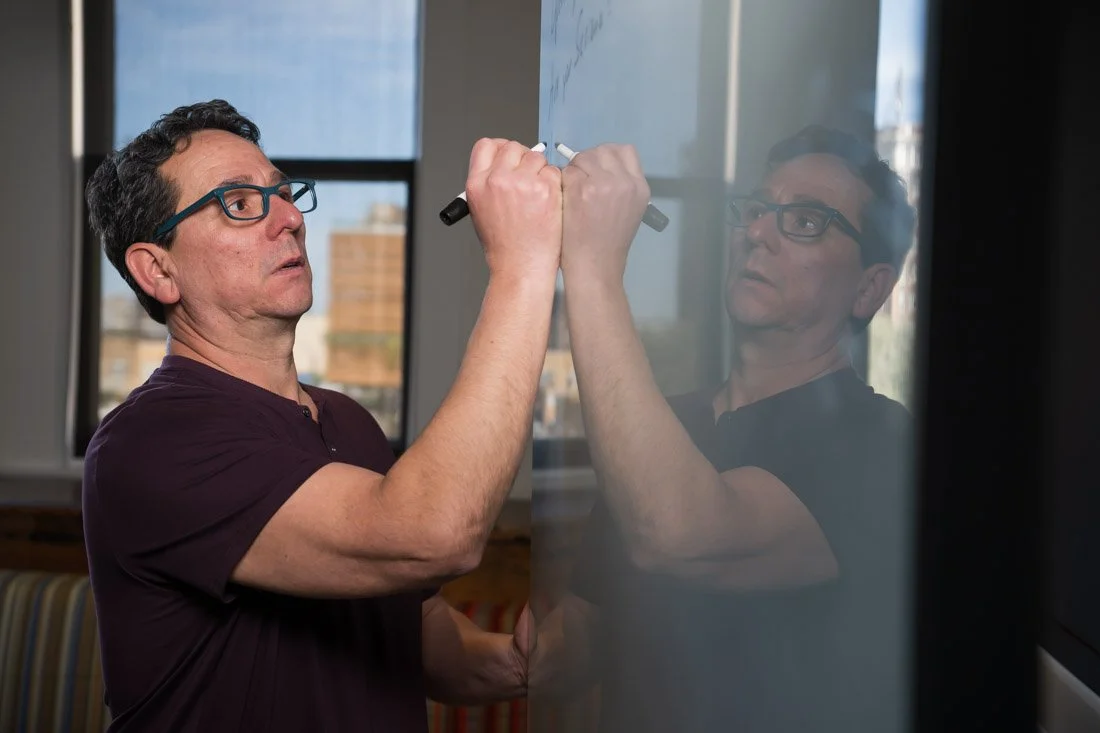
Preparing notes before a keynote. Reviewing a workbook. Mapping out ideas. Looking through a client’s materials. Writing on a whiteboard. Setting up a room. Thinking through a framework. Creating the structure behind the transformation you are about to deliver.
Those photos matter because they show that your expertise does not magically appear the second you step on stage, hop on Zoom, or sit down with a client.
There is thought, preparation, and a proven process behind it.
Then there is the work in front of people.
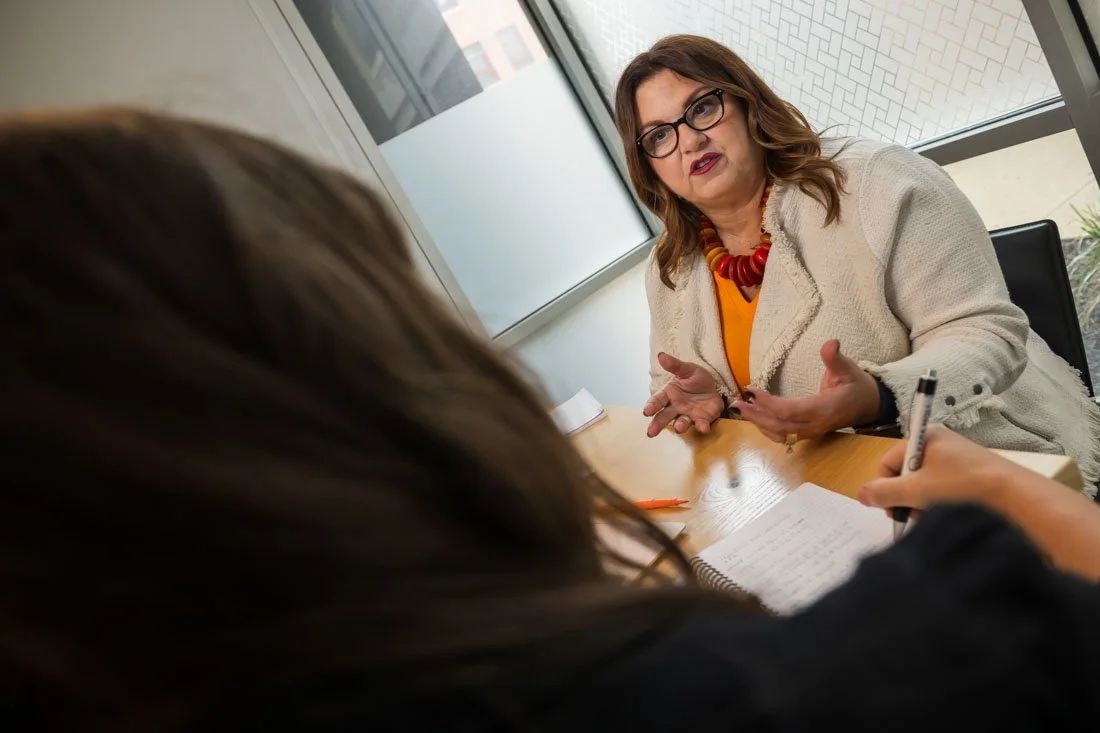
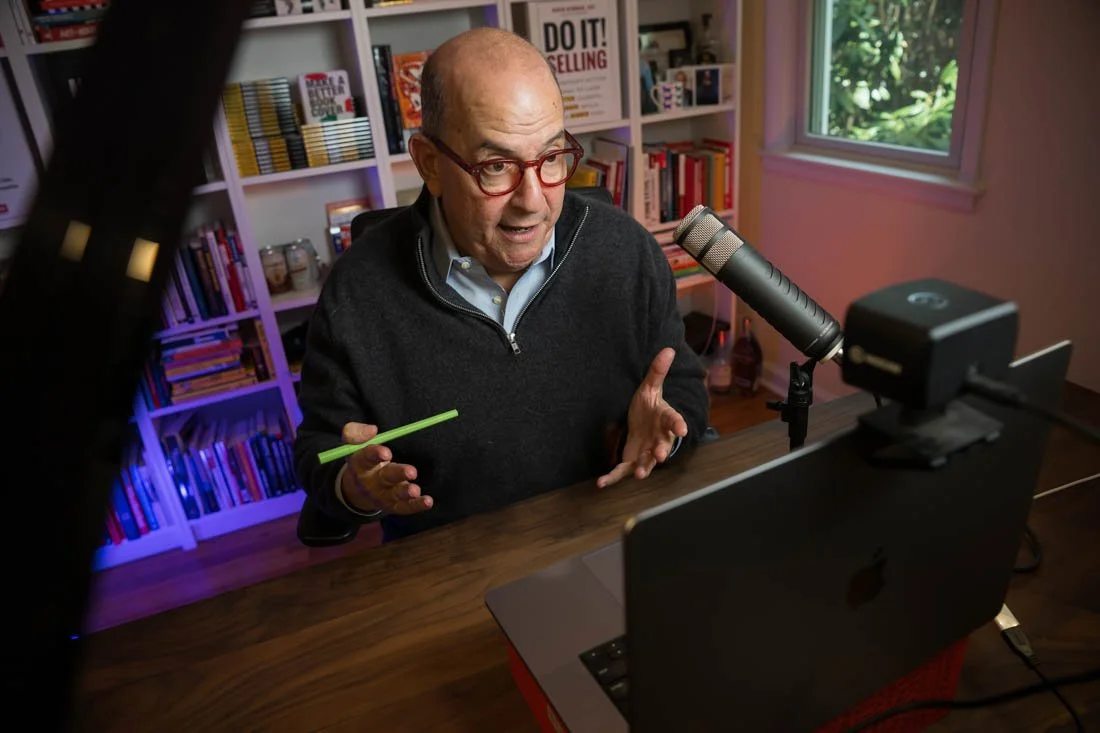
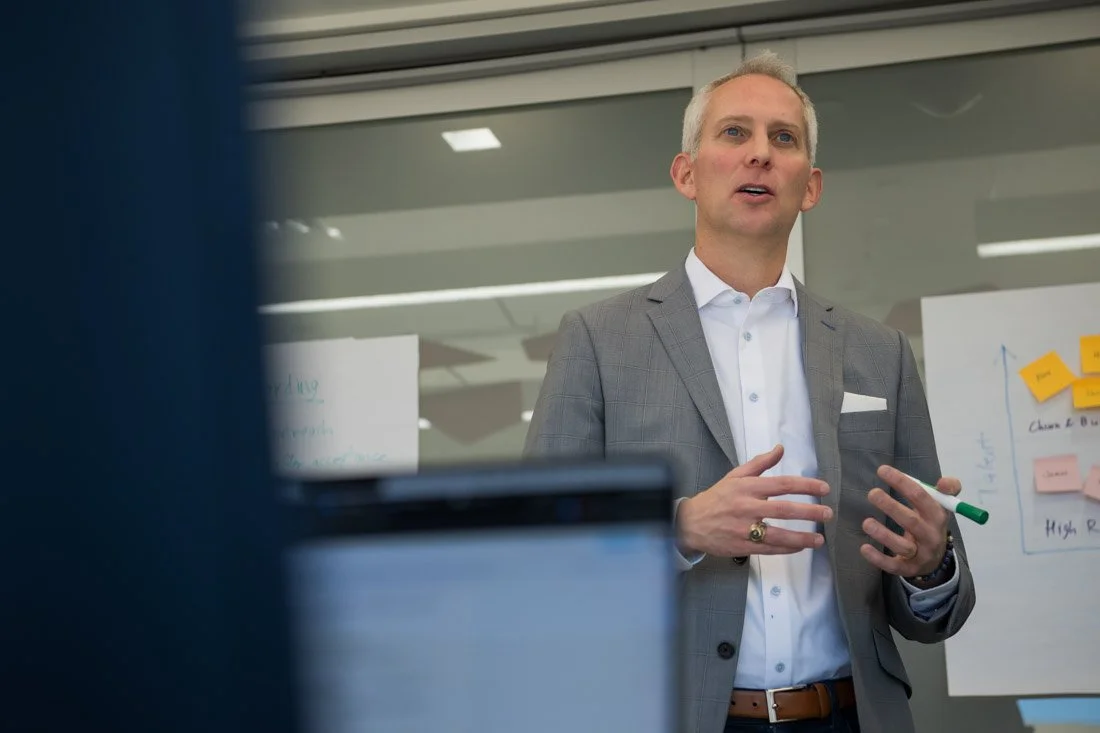
Facilitating the room. Teaching the concept. Coaching the client. Consulting with the team. Answering the question. Listening before responding. Pointing something out. Helping someone connect the dots. Creating the moment where the person across from you finally gets it.
That is not filler - it’s proof.
And for experts who speak, train, coach, consult, advise, write, facilitate, or lead, proof matters.
A headshot introduces you.
A visual evidence photo says, “Here is what it looks like when I do the work.”
That is a completely different kind of visual asset. It’s one that helps a potential client visualize what it’s like to be in the room with you.
And this is where personal preference can get in the way.
The most useful photo in your library might not be the one where you look the most polished. It might not be the one where your jacket is sitting perfectly or your smile looks the most natural. It might not be the photo you would choose as your profile picture.
It might be the photo where you are leaning over a table explaining something, listening carefully to someone in the room, or reviewing notes before everything starts.
It might be the one that shows the process, the preparation, the interaction, or the experience of working with you.
That photo may not be your favorite, but it may be the one that helps someone believe what you say is true about the results you get for your clients faster.
And that’s the point.
Most experts choose photos by asking, “Do I like this?”
That question has a place. You should never use a photo that aggravates you because you don’t like how you come off in the shot.
But it cannot be the only question.
The better question is, “What does this photo prove?”
Preparation?
Process?
Credibility?
Command of the room?
Human connection?
Does it prove that your expertise is not just something you talk about, but something people experience?
Once you start looking at your photos through this lens, your library stops being a pile of images you sling around here and there and starts becoming a credibility system.
So yes, choose the strong headshot. Use the portrait where you look confident, current, and aligned with the level you operate at…
Yes, the one where your dress falls just the right way in the light.
But do not discount or ignore the photos that show the work. That is often where the real authority is hiding.
And if you’re not sure whether your current visuals are creating clarity or friction, start with the 10-Second Visual Authority Scan.
It will help you look at your visual presence the way other people already do, quickly, instinctively, and before they ever read a word.
Take the scan here: johndemato.com/newsletter-signup